Masters
Become a force for good by joining the next generation of global health leaders!
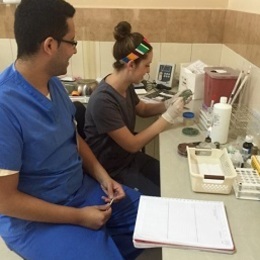
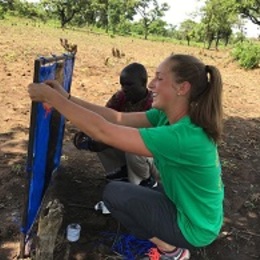
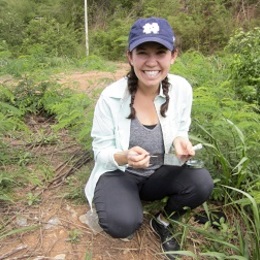
The University of Notre Dame's Master of Science in Global Health (MSGH) program enables students to bridge classroom training with complex, real health needs of low-resource communities around the world through hands-on experience.
Jointly offered by the Eck Institute for Global Health, College of Science, and Keough School of Global Affairs, the two-year MSGH program leverages diverse resources and strengthens students’ capacities to effectively address the complex nexus of global health, development, and poverty.
What makes the MSGH program at Notre Dame exceptional?
- Small, close-knit student cohort
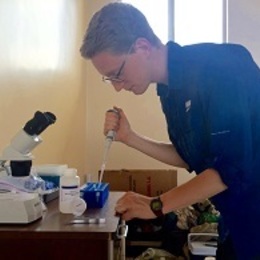
- Fully funded capstone field research projects
- Each student is matched with a mentoring network
- Access to distinguished faculty and their world-class research
- Curriculum with three areas of concentration
- Lifelong connection to ND alumni network
- Location provides affordable living
- Notre Dame's beautiful campus
Meet our Alumni
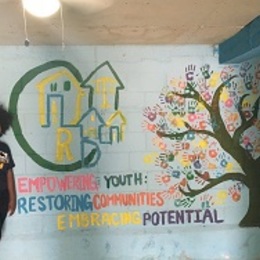
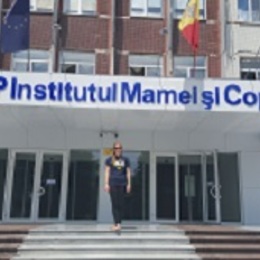
Read about past students' Capstone Field Research.